Windows Server 2022 is Microsoft’s latest enterprise-grade operating system designed for data centers, business environments, virtualization, security-critical systems, and cloud-connected servers. It brings modern networking, enhanced security, faster performance, and reliable long-term stability. This guide explains what Windows Server 2022 is, its system requirements, technical details, features, and installation information in a clear and easy-to-understand format.
What Is Windows Server 2022?
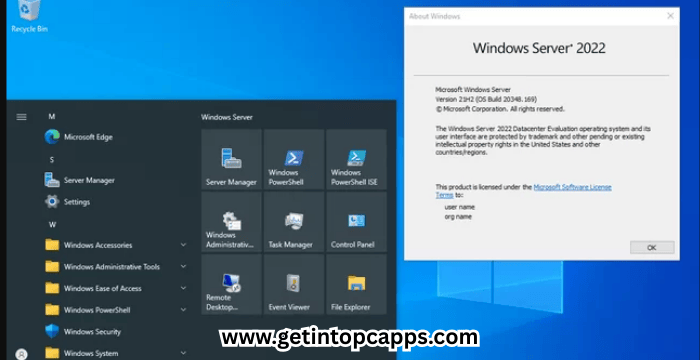
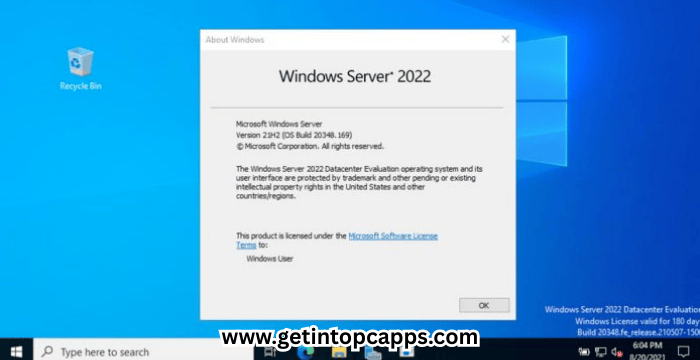
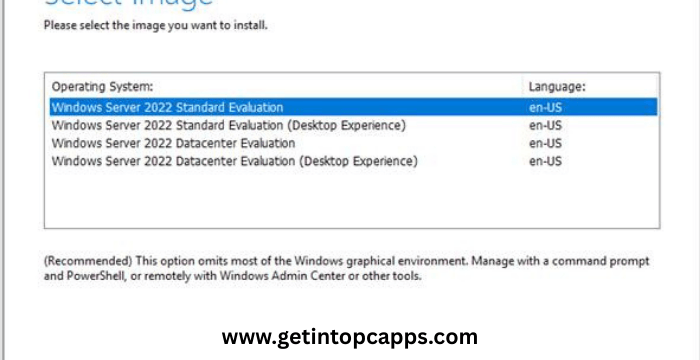
Windows Server 2022 is a professional server operating system built for organizations that need powerful performance, secure infrastructure, and support for cloud-hybrid environments. It includes advanced security layers, improved virtualization (Hyper-V), better storage features, and seamless integration with Azure services. IT professionals commonly use it for hosting applications, managing networks, and running enterprise-level workloads.
Technical Specifications
- Software Name: Windows Server 2022
- Developer: Microsoft
- Platform: 64-bit
- Application Type: Server Operating System
- Editions: Standard & Datacenter
- Security Features: Secured-Core Server, VBS, TPM 2.0 support
- Virtualization: Hyper-V, Shielded VMs
- Cloud Support: Azure Hybrid Integration
Latest Version Details
The latest version of Windows Server 2022 includes:
- Enhanced multi-layer security
- Improved networking performance (TCP/UDP optimizations, SMB compression)
- Better virtualization and VM isolation
- Advanced container support
- Updated management tools
- Long-Term Servicing Channel (LTSC) stability
- Improved storage and file-system performance
Microsoft has also improved cloud connectivity through Azure Arc, making hybrid environments easier to manage.
Why Choose Windows Server 2022?
Windows Server 2022 is preferred for its:
- Strong enterprise-grade security
- Faster performance and networking
- High reliability for business workloads
- Better virtualization capabilities
- Long-term support for stability
- Smooth compatibility with modern hardware
It is a powerful solution for organizations that require secure, scalable, and future-ready server infrastructure.
System Requirements for Windows Server 2022
Minimum System Requirements
- 1.4 GHz 64-bit processor
- 512 MB RAM (Server Core) / 2 GB RAM (with Desktop Experience)
- 32 GB storage
- 1024×768 display
- UEFI firmware recommended
- TPM 2.0 recommended
Recommended System Requirements
- Multi-core 2+ GHz processor
- 8–16 GB RAM or more
- SSD storage
- Modern server-grade motherboard
- Secure Boot and virtualization support enabled
Lightweight Alternatives
If someone wants simpler or lower-resource server operating systems, they can use:
- Windows Server 2016/2019 – still stable and lighter
- Linux Ubuntu Server – lightweight and open-source
- Debian Server – minimal and efficient
- CentOS Stream – enterprise-friendly
These options are good for small servers or low-resource systems.
How to Install Windows Server 2022 (ISO Guide)
- Download the ISO file.
- Create a bootable USB using Rufus or any ISO tool.
- Boot your PC or server from the USB.
- Choose installation type (Desktop Experience or Server Core).
- Select your disk partition and install the OS.
- Set up the admin password and initial settings.
- Configure roles, features, networking, and security settings.
- Optionally connect with Azure or set up Active Directory.
Key Features of Windows Server 2022 (Overview)
- Secured-Core Server protection
- Virtualization and Hyper-V improvements
- Faster networking with SMB compression
- Advanced container support
- Better storage and file-system performance
- Azure Hybrid integration
- Long-term stability (LTSC)
- Improved Windows Admin Center management